
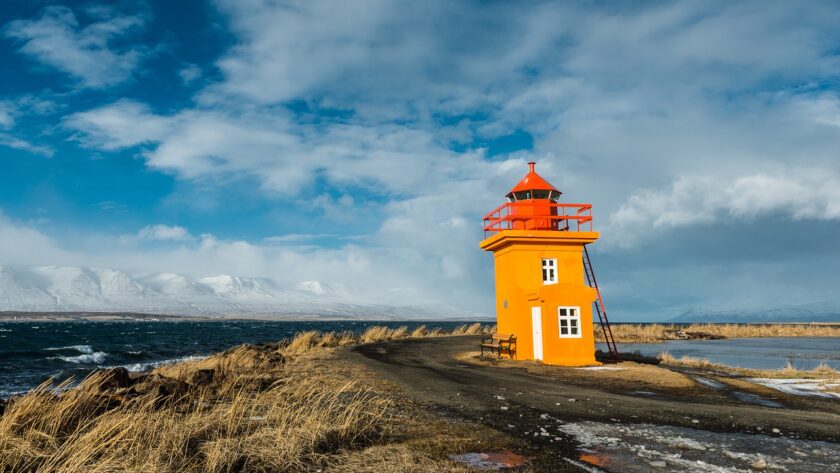
Iceland, a land of contrasts, where fire and ice coexist in a mesmerizing dance, beckons adventurers from all corners of the globe. This Nordic island nation, perched on the edge of the Arctic Circle, boasts a breathtaking landscape that defies imagination. From towering glaciers and thundering waterfalls to steaming geysers and rugged volcanic terrain, Iceland offers an unparalleled adventure for those seeking an immersive experience in nature’s raw splendor.
Why visit Iceland?
Iceland’s allure lies in its unique and diverse offerings. For nature enthusiasts, the island is a veritable paradise, with its awe-inspiring natural wonders that seem plucked from the pages of a fairy tale. From the ethereal beauty of the Northern Lights dancing across the night sky to the otherworldly landscapes of the Highlands, Iceland promises an unforgettable journey.
Adventurers will revel in the abundance of outdoor activities, from hiking on glaciers and exploring ice caves to soaking in geothermal hot springs and embarking on thrilling off-road adventures. Meanwhile, culture enthusiasts can delve into the rich heritage of the island, immersing themselves in the captivating sagas and traditions that have shaped Icelandic society for centuries.
Essential Iceland travel tips before you go
Before embarking on your Icelandic odyssey, it’s crucial to equip yourself with essential travel tips to ensure a seamless and unforgettable experience. Here are some invaluable insights to help you plan your journey:
- Obtain the necessary travel documents:
- Ensure your passport is valid for at least six months beyond your planned travel dates.
- Check if you need a visa or any additional entry requirements for Iceland.
- Familiarize yourself with the Icelandic language:
- While English is widely spoken, learning a few basic Icelandic phrases can go a long way in enhancing your cultural immersion and connecting with locals.
- Research and book accommodation in advance:
- Iceland’s popularity as a travel destination has soared, so it’s advisable to secure your accommodation well in advance, especially during peak seasons.
- Invest in a reliable travel insurance policy:
- Iceland’s rugged terrain and unpredictable weather conditions make travel insurance a necessity, covering potential medical emergencies, trip cancellations, and other unforeseen circumstances.
- Pack appropriately for the ever-changing weather:
- Iceland’s weather can be highly variable, so pack layers of clothing to accommodate sudden changes in temperature and precipitation.
Best time to visit Iceland
The best time to visit Iceland largely depends on your preferences and the experiences you wish to prioritize. Here’s a breakdown of the different seasons and what they offer:
- Summer (June to August): This is the peak season for visitors, with mild temperatures and nearly 24 hours of daylight, making it ideal for outdoor activities and exploring the countryside. However, it’s also the busiest and most expensive time to visit.
- Fall (September to November): Autumn brings a stunning display of colors as the landscapes transition to hues of gold, red, and orange. This season offers fewer crowds, lower prices, and opportunities to witness the Northern Lights.
- Winter (December to March): While the weather can be harsh, winter in Iceland is a magical time, with a chance to witness the mesmerizing Northern Lights, experience winter activities like dog sledding and ice caving, and explore the country’s geothermal wonders.
- Spring (April to May): Spring in Iceland is a time of rebirth, with the countryside coming alive with fresh greenery and blooming wildflowers. This season offers milder weather, fewer crowds, and opportunities to witness the migration of whales and puffins.
Getting around Iceland
Exploring Iceland’s diverse landscapes requires careful planning and consideration of transportation options. Here are some popular ways to navigate the island:
- Rental cars: Renting a car is a popular choice for those seeking maximum flexibility and independence. Iceland’s well-maintained road system, including the iconic Ring Road, makes self-driving a convenient option. However, be prepared for potential challenges like unpredictable weather and narrow, winding roads in remote areas.
- Public transportation: Iceland’s public transportation system, including buses and domestic flights, can be a cost-effective way to travel between major cities and towns. However, it may limit your ability to explore more remote areas.
- Guided tours: For those seeking a hassle-free experience, guided tours offer the convenience of having an experienced local guide lead the way. These tours can range from day trips to multi-day excursions, covering a variety of attractions and activities.
- Hitchhiking: While not a common practice, hitchhiking is relatively safe in Iceland, especially in rural areas. However, exercise caution and follow basic safety precautions.
Must-see attractions in Iceland
Iceland is a treasure trove of natural wonders, each more awe-inspiring than the last. Here are some of the must-see attractions that should be on every traveler’s itinerary:
- The Blue Lagoon: This geothermal spa, located near Reykjavík, is a true oasis of relaxation, offering visitors the opportunity to soak in its milky-blue, mineral-rich waters amidst a surreal volcanic landscape.
- The Golden Circle: This popular route encompasses some of Iceland’s most iconic sights, including the Gullfoss waterfall, the Geysir geothermal area, and the Þingvellir National Park, a UNESCO World Heritage Site where you can witness the continental drift between the North American and Eurasian tectonic plates.
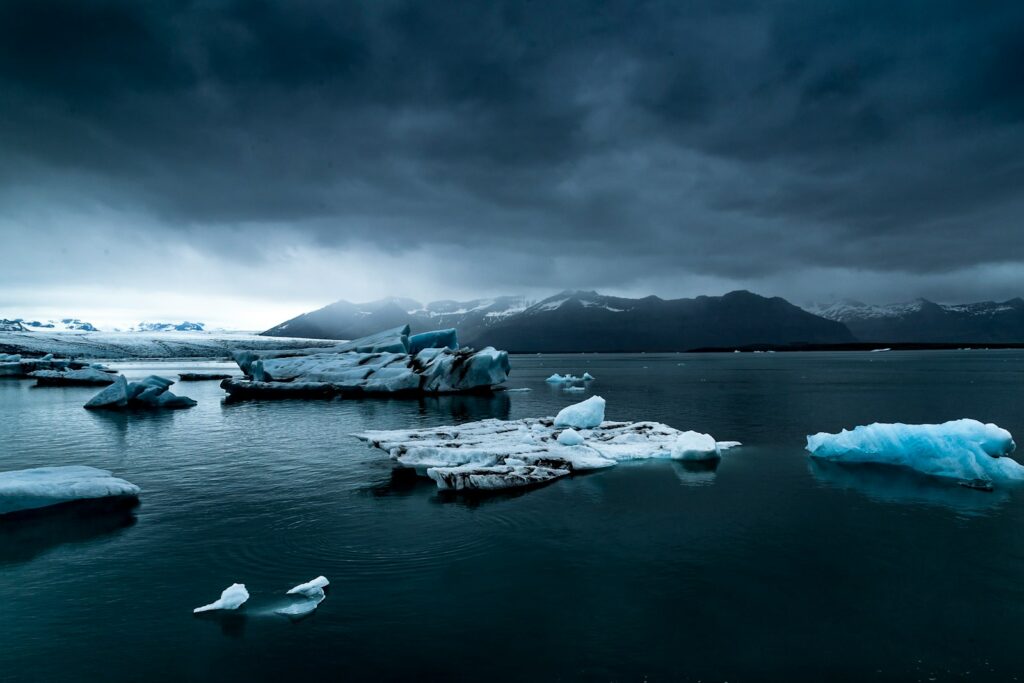
- The Jökulsárlón Glacier Lagoon: This breathtaking lagoon is dotted with icebergs that have calved from the nearby Breiðamerkurjökull glacier, creating a surreal and ever-changing landscape that is a photographer’s dream.
- The Skógafoss and Seljalandsfoss Waterfalls: These two iconic waterfalls, located along the picturesque South Coast, offer unique perspectives and opportunities for adventurous souls to hike behind the cascading curtains of water.
- The Snæfellsnes Peninsula: Often referred to as “Iceland in miniature,” this stunning peninsula boasts a diverse array of landscapes, including rugged cliffs, black sand beaches, and the iconic Snæfellsjökull glacier, which served as the inspiration for Jules Verne’s “Journey to the Center of the Earth.”
Outdoor activities in Iceland
Iceland is an outdoor enthusiast’s paradise, offering a myriad of exhilarating activities that cater to every adventurer’s spirit. Here are some must-try experiences:
- Glacier hiking: Strap on your crampons and embark on a guided hike across the ancient ice formations of Iceland’s glaciers, exploring crevasses, ice caves, and breathtaking vistas.
- Ice caving: Venture deep into the heart of a glacier, where you’ll discover a mesmerizing world of vibrant blue ice formations and otherworldly caverns.
- Whale watching: Iceland’s coastal waters are home to a diverse array of marine life, including several species of whales. Join a guided tour and witness these majestic creatures in their natural habitat.
- Hot spring bathing: Immerse yourself in the rejuvenating warmth of Iceland’s geothermal hot springs, many of which are located amidst stunning natural landscapes.
- Northern Lights hunting: During the winter months, embark on a chase to witness the ethereal dance of the Northern Lights, one of nature’s most captivating displays.
- Lava caving: Explore the underground world of Iceland’s lava caves, formed by ancient volcanic eruptions, and marvel at the intricate rock formations and subterranean landscapes.
- Horseback riding: Saddle up on one of Iceland’s iconic and hardy Icelandic horses and traverse the rugged terrain, taking in the breathtaking vistas and connecting with the island’s equestrian heritage.
Exploring the Icelandic cuisine
Icelandic cuisine is a delightful blend of traditional flavors and modern culinary innovations, reflecting the island’s unique geography and cultural heritage. Here’s a glimpse into the gastronomic delights that await:
- Seafood: Being an island nation, Iceland boasts an abundance of fresh, high-quality seafood. From succulent Arctic char and cod to mouthwatering langoustines and lobster, the island’s waters provide a bounty of culinary treasures.
- Lamb: Icelandic lamb, raised on the island’s lush pastures, is renowned for its exceptional flavor and tenderness. Savor traditional dishes like hangikjöt (smoked lamb) or indulge in modern interpretations that showcase the meat’s versatility.
- Skyr: This thick, creamy dairy product, similar to yogurt, is a staple in Icelandic cuisine. Enjoy it as a refreshing snack, mixed with berries or granola, or incorporate it into desserts and baked goods.
- Hot dogs: While it may seem unexpected, Iceland takes great pride in its hot dogs, known as pylsur. These delectable sausages, often topped with remoulade, crispy onions, and a variety of condiments, are a beloved street food and a must-try for any culinary adventurer.
- Icelandic beer and spirits: Iceland’s craft beer scene has flourished in recent years, with local breweries producing a range of unique and flavorful brews. Additionally, the island’s distilleries offer a selection of distinctive spirits, such as the Icelandic schnapps known as Brennivín.
Safety tips for traveling in Iceland
While Iceland is generally considered a safe destination, it’s always wise to exercise caution and follow safety guidelines to ensure a worry-free journey. Here are some essential safety tips:
- Respect the weather: Iceland’s weather can be unpredictable and extreme, with sudden changes in conditions. Always check the weather forecast, dress appropriately, and be prepared for adverse conditions.
- Follow hiking safety protocols: When embarking on hikes or exploring remote areas, inform others of your plans, carry appropriate gear and supplies, and follow marked trails to avoid getting lost or injured.
- Exercise caution around natural hazards: Iceland’s landscape is dotted with potential hazards, such as unstable terrain, geothermal areas, and glaciers. Always follow safety instructions and heed warning signs to avoid accidents.
- Secure your belongings: While Iceland has a low crime rate, it’s still important to keep your valuables secure and exercise caution, especially in crowded areas or when leaving belongings unattended.
- Respect the environment: Iceland’s natural wonders are fragile and precious. Follow the principles of responsible tourism by staying on designated paths, avoiding littering, and minimizing your impact on the environment.
Packing essentials for your Iceland trip
Packing for an Icelandic adventure requires careful consideration of the island’s diverse weather conditions and outdoor activities. Here are some essential items to include in your luggage:
- Layers of clothing: Pack versatile, moisture-wicking layers that can be easily added or removed to accommodate temperature fluctuations. Include warm base layers, insulating mid-layers, and a waterproof outer shell.
- Sturdy hiking boots: Invest in a pair of high-quality, waterproof hiking boots with good traction to navigate Iceland’s rugged terrain and unpredictable weather conditions.
- Rain gear: A waterproof jacket and pants are essential, as Iceland’s weather can be unpredictable, with sudden downpours and wind.
- Sun protection: Even on cloudy days, the sun’s rays can be intense, so pack sunscreen, sunglasses, and a hat to protect yourself from harmful UV exposure.
- Swimwear: Don’t forget to pack a swimsuit and quick-drying towel to enjoy Iceland’s geothermal pools and hot springs.
- Camera and accessories: Capture the stunning landscapes and unforgettable moments by packing a reliable camera, extra batteries, and memory cards.
- Reusable water bottle: Stay hydrated and eco-friendly by carrying a reusable water bottle that you can refill with Iceland’s fresh, clean water.
- Power bank and adapter: Ensure your devices stay charged by packing a power bank and a universal travel adapter compatible with Iceland’s electrical outlets.
Budgeting for your Iceland adventure
Iceland is often considered an expensive destination, but with careful planning and budgeting, it’s possible to enjoy an unforgettable trip without breaking the bank. Here are some tips to help you manage your expenses:
- Accommodation: Consider staying in budget-friendly options like hostels, guesthouses, or Airbnb rentals, especially if you’re traveling solo or as a couple. Camping is also a cost-effective option during the warmer months.
- Transportation: Renting a car can be expensive, so consider using public transportation or joining guided tours for specific attractions or activities. Hitchhiking, while not recommended for everyone, can also be a budget-friendly option for getting around.
- Food and dining: Eating out in Iceland can be costly, so stock up on groceries from local supermarkets and prepare your own meals when possible. Look for budget-friendly options like hot dog stands and food trucks for quick, affordable meals.
- Attractions and activities: Prioritize the attractions and activities that are most important to you and plan your budget accordingly. Consider purchasing a discounted City Card or Iceland Air Visitor Pass, which can offer savings on various attractions and transportation.
- Timing: Visiting during the shoulder seasons (spring and fall) can often result in lower prices for accommodation, flights, and activities compared to the peak summer months.
- Currency exchange: Be mindful of currency exchange rates and fees. Consider using a travel-friendly credit or debit card with low or no foreign transaction fees to minimize costs.
Recommended accommodations in Iceland
Iceland offers a diverse range of accommodations to suit every traveler’s preferences and budget. Here are some recommended options to consider:
- Hotels: From luxury resorts to budget-friendly chains, Iceland has a variety of hotel options available. Some popular choices include the Hilton Reykjavík Nordica, Icelandair Hotel Reykjavík Natura, and the Fosshotel chain.
- Guesthouses and bed & breakfasts: For a more intimate and authentic experience, consider staying in a local guesthouse or bed & breakfast. These accommodations often offer a cozy atmosphere, personalized service, and insights into Icelandic culture.
- Airbnb and vacation rentals: Renting an apartment or house through platforms like Airbnb can be a great option for families, groups, or those seeking more space and privacy. It also allows you to experience living like a local and have access to a kitchen for preparing meals.
- Camping and camper vans: During the warmer months, camping is a popular and budget-friendly choice for exploring Iceland’s great outdoors. Many campsites offer basic facilities and stunning natural settings. Alternatively, renting a camper van provides the freedom to travel at your own pace while having a comfortable place to sleep.
- Farm stays and cottages: For a truly unique experience, consider staying at a traditional Icelandic farm or cottage. These accommodations offer a glimpse into rural life and the opportunity to connect with local hosts.
Conclusion and final tips for a memorable trip to Iceland
Iceland is a destination that promises to leave an indelible mark on your soul, with its awe-inspiring landscapes, rich cultural heritage, and countless opportunities for adventure. As you embark on your journey, remember to embrace the spirit of exploration, respect the natural wonders, and immerse yourself in the unique Icelandic way of life.
Here are some final tips to ensure a truly memorable and enriching experience:
- Be flexible: Iceland’s weather can be unpredictable, so remain open to adjusting your plans if necessary. Embrace the unexpected and let the island’s magic unfold organically.
- Engage with locals: Icelanders are known for their warm hospitality and rich storytelling traditions. Take the time to interact with locals, ask questions, and learn about their way of life.
- Disconnect and immerse yourself: While staying connected is important, make sure to set aside time to disconnect from technology and fully immerse yourself in the present moment, whether it’s admiring the Northern Lights or soaking in a geothermal pool.
- Respect the environment: Iceland’s pristine natural landscapes are a treasure to be cherished. Follow the principles of responsible tourism by minimizing your impact, staying on designated trails, and leaving no trace behind.
- Embrace the adventure: Iceland is a land of contrasts and surprises, so embrace the spirit of adventure and be open to new experiences. Step out of your comfort zone and create lasting memories that will stay with you long after your journey ends.
Embracing the spirit of adventure and immersing yourself in the natural wonders of Iceland will undoubtedly leave you with cherished memories that will last a lifetime. As you plan your journey, remember to stay open-minded, respect the environment, and savor every moment in this extraordinary land of fire and ice. With proper preparation and a sense of wonder, your Icelandic odyssey is sure to be an unforgettable and transformative experience.

