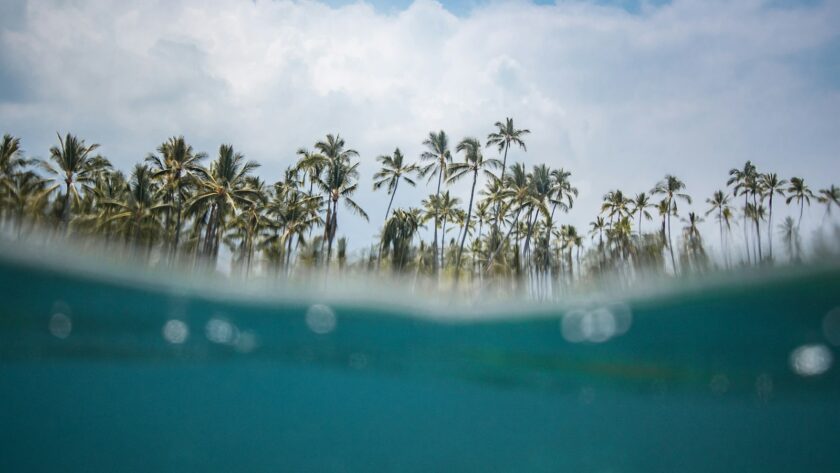
Hawaii’s stunning beaches, with their crystal-clear waters and vibrant marine life, are a top destination for sun-seekers and ocean lovers alike. Yet, for many, a visit to Hawaii’s coast brings up the same question: How common are shark sightings near Hawaii beaches? In this article, we’ll dive deep into the topic, discussing the types of sharks you might encounter, safety tips, and what to do if you spot one.
Sharks in Hawaiian Waters: The Species You Might Encounter
Hawaii’s warm, tropical coral reefs and coastal waters are a natural habitat for many species of sharks. While the thought of shark encounters might be unnerving, it’s important to remember that most sharks in Hawaii’s waters are not aggressive toward humans. Here’s a look at some of the most common sharks you might find around the main Hawaiian Islands:
1. Tiger Sharks
Tiger sharks are the species most commonly associated with shark sightings and incidents in Hawaii. These apex predators can grow up to 14 feet in length and are known for their distinctive, tiger-like stripes. They are found throughout Hawaii’s waters, often in coastal waters and deeper waters beyond the reef.
2. Whitetip Reef Sharks
Whitetip reef sharks, easily identified by the white tips on their fins, are a common sight near shallow water coral reefs. Unlike tiger sharks, whitetips are more docile and tend to rest during the day in caves or under ledges. They’re unlikely to show aggressive behavior unless provoked.
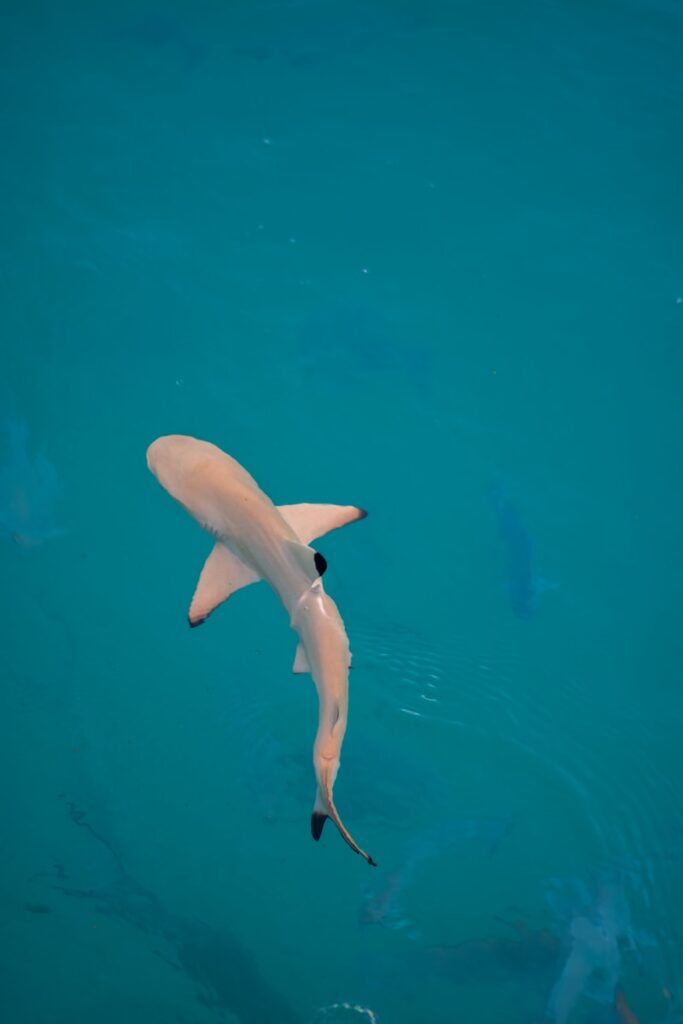
3. Blacktip Reef Shark
The blacktip reef shark is another familiar visitor to Hawaiian waters, particularly in areas like Hanalei Bay. These sharks are typically smaller and prefer shallow water, where they hunt small fish and other prey. Their distinctive black-tipped fins make them easy to recognize.
4. Sandbar Shark and Galapagos Shark
The sandbar shark and Galapagos shark are less common but can still be found around the Hawaiian islands, especially in more remote areas like the Northwestern Hawaiian Islands. These sharks prefer deeper waters, often venturing closer to shore to hunt.
How Often Are Shark Sightings in Hawaii?
Shark sightings in Hawaii are relatively common, but the number of unprovoked shark attacks is low. In recent decades, there have been only a handful of incidents each year, according to data from the International Shark Attack File. The odds of an encounter are rare, but it’s always wise to be cautious. Certain factors, like murky waters, excessive splashing, or swimming at river mouths, can increase the chance of a shark encounter.
Local authorities monitor the situation closely, and if there is a shark sighting, first responders often close beaches temporarily. Keeping up with the island news can help visitors stay informed about any current concerns.
Notable Shark Incidents in Hawaii
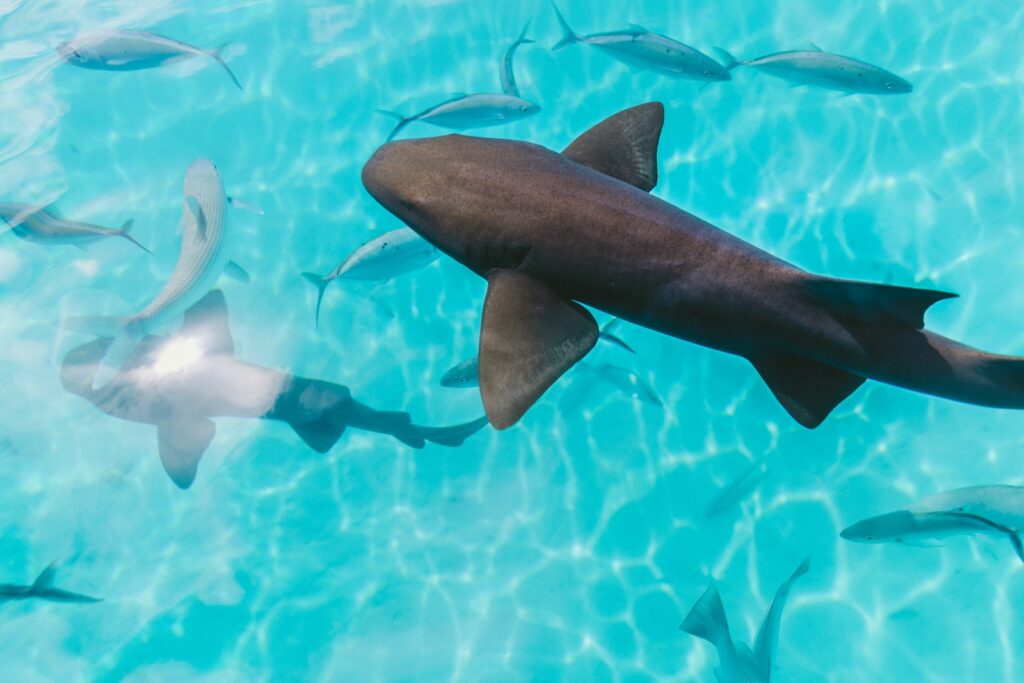
Although shark incidents in Hawaii are rare, some stand out in public memory. One of the most famous is Tamayo Perry’s encounter in 2013 at Kaimana Beach, where he survived a tiger shark attack that resulted in extensive lacerations. Incidents like these highlight the importance of respecting these remarkable creatures and understanding that the ocean is their domain.
Types of Shark Incidents
- Unprovoked shark attacks: These are rare and often involve sharks mistaking humans for their prey.
- Provoked encounters: Often occur when humans are fishing, spearfishing, or engaging in other activities that can attract sharks.
When and Where Are Shark Sightings Most Common?
Shark sightings are more likely during specific times and locations in Hawaii:
Time of Day
Sharks are most active in the early morning and late afternoon, when visibility is lower, and they’re searching for food. Swimming at these times can increase the risk of encounters.
Locations
Certain spots in Hawaii are known for more frequent shark sightings:
- North Shore of Oahu: Particularly during the winter months when big waves attract large groups of surfers.
- Kaneohe Bay: Known for its mix of marine life, including sharks and manta rays.
- Sunset Beach: A popular surf spot where shark sightings are not unusual.
- Goat Island: A well-known snorkeling spot with frequent shark sightings due to its vibrant underwater ecosystem.
- Hanalei Bay and Big Island’s more remote beaches can also have shark activity, particularly in the warmer months.
Shark Behavior: Why They’re in Hawaii’s Waters
Understanding shark behavior is key to staying safe. Sharks are often found close to Hawaii’s shorelines because they are hunting for food sources like small fish, green sea turtles, and other marine mammals. They are also attracted to river mouths and harbor entrances, where nutrients draw in prey.
Why Sharks Mistake Humans for Prey
Many incidents occur because sharks, particularly tiger sharks, mistake swimmers for seals or other prey. Poor visibility in murky waters, shiny jewelry, or the silhouette of a surfer can contribute to this confusion. To avoid this, it’s a good idea to avoid wearing shiny objects and stay clear of areas where visibility is low.
Safety Tips for Beachgoers: Reducing the Risk of Shark Encounters
While sharks are a natural part of Hawaii’s marine ecosystem, there are steps you can take to minimize your risk:
Avoid Swimming During Certain Times
Sharks are more active at dawn, dusk, and night. If you’re planning to swim, snorkel, or surf, it’s best to go during the middle of the day, when sharks are less likely to be hunting.
Stay in Clear Water
Clear water provides better visibility, which can reduce the chances of a shark mistaking you for prey. Avoid murky waters or areas where there’s heavy rain runoff, which can attract small fish and sharks.
Swim in Groups
Sharks are less likely to approach large groups. If you’re planning on exploring the ocean, bringing friends along can be a great way to stay safe.
Avoid Wearing Shiny Jewelry
Sharks are attracted to shiny objects, which can look like the scales of a fish. Removing shiny accessories like necklaces, rings, or watches can help reduce this attraction.
Steer Clear of Fishing Areas
Avoid swimming in areas where people are fishing. Blood and bait can attract sharks, leading to increased chances of encounters.
Respect Warning Signs
Hawaii’s beaches often have warning signs posted if there have been recent shark sightings or dangerous conditions. Pay attention to these signs and follow any instructions from local authorities or tour guides.
What to Do If You See a Shark
Spotting a shark can be unnerving, but there are steps you can take to ensure your safety:
- Stay Calm: Sharks are curious and may simply be passing by. Panicking or making sudden movements can attract them.
- Back Away Slowly: If you spot a shark, maintain eye contact and back away toward the shore. Avoid turning your back on the shark.
- Don’t Splash Excessively: Excessive splashing can mimic the movements of a struggling fish, drawing attention from sharks.
- Report the Sighting: If you spot a shark close to shore, notify lifeguards or local authorities to ensure the safety of others.
Hawaii’s Shark Research and Conservation Efforts
Hawaii is home to a wealth of research on sharks, led by experts like Kim Holland and organizations like the Division of Aquatic Resources. These groups study shark populations, track movements, and work to understand their role in the ecosystem. Their work has provided valuable insights into shark behavior and helped develop guidelines to keep both people and sharks safe.
Sharks and the Hawaiian Ecosystem: Respecting the Ocean’s Apex Predators
Sharks are often feared, but they play a crucial role in maintaining the balance of Hawaii’s marine ecosystem. They are apex predators, keeping populations of smaller fish and marine species in check, which in turn supports healthy reefs and marine biodiversity.
FAQs
Q: What is the most common type of shark in Hawaii?
A: The whitetip reef shark and the blacktip reef shark are among the most common shark species seen in Hawaii’s coastal waters. These sharks are typically found in shallow water and near tropical coral reefs, where they hunt for smaller fish and invertebrates. The whitetip reef shark is known for its curious nature but is generally harmless to humans. They are easily recognized by the white tips on their fins and are often seen resting on the ocean floor during the day. The blacktip reef shark is also non-aggressive and frequently spotted by snorkelers and divers due to its preference for shallower regions with clear water.
Q: Is it safe to swim with sharks in Hawaii?
A: Yes, many sharks in Hawaii, especially those in shallow reef areas, pose little threat to humans. Local tour operators even offer snorkeling and diving experiences to observe species like whitetip reef sharks, manta rays, and even the occasional scalloped hammerhead shark in their natural habitat. It’s generally safe to swim with sharks as long as you follow a few simple guidelines: avoid swimming during times when sharks are most active (dawn and dusk), stay in large groups, and follow the advice of local guides and shark experts. If you encounter a shark, remain calm, avoid sudden movements, and slowly move toward the shore or your boat.
Q: How can I reduce the risk of a shark encounter?
A: To minimize the risk of a shark encounter, consider these tips:
- Avoid Murky Waters: Sharks rely on their keen sense of smell and vibrations to locate prey, and murky waters make it easier for them to mistake a swimmer for a fish. Stay in areas where visibility is high.
- Don’t Wear Shiny Objects: Avoid shiny jewelry, which can mimic the reflective scales of a fish. Even small items like watches or necklaces can catch a shark’s attention.
- Refrain from Excessive Splashing: Excessive splashing may mimic the movements of an injured animal, which can attract sharks. Swim calmly, avoid rapid movements, and if possible, stay close to the shore.
Final Thoughts on Shark Safety in Hawaii
By embracing shark awareness and safety, you can enjoy Hawaii’s waters with peace of mind. Sharks are not the mindless predators often portrayed in movies—they are remarkable creatures that are usually more curious than aggressive toward humans. Practicing basic ocean safety ensures that you minimize risks while still enjoying everything Hawaii’s marine life has to offer.
Whether you’re catching waves on the North Shore or snorkeling in Kaneohe Bay, you’ll be prepared to share the ocean with Hawaii’s diverse marine life. Knowing what to expect and how to respond in the event of a shark encounter can make your Hawaiian adventure both memorable and safe. Remember, the ocean is their home, and respecting their space is crucial to fostering a safe environment for everyone.